
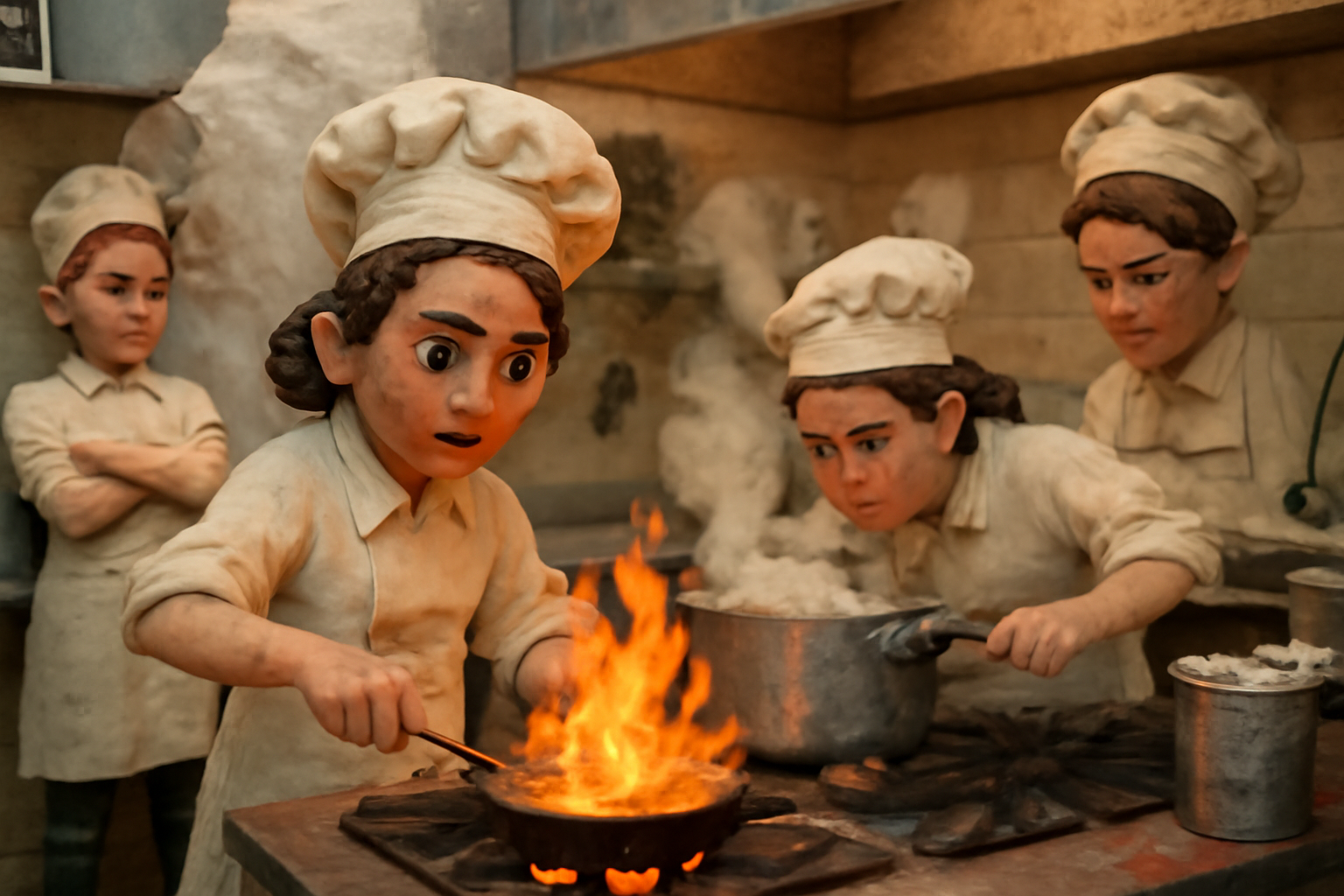
In the world of professional kitchens, women chefs often face heightened gender politics, compounded by the physical demands and traditionally male-dominated nature of the culinary arena. Within these high-pressure environments, the issue of temperature regulation can be emblematic of broader gender dynamics.
Kitchens are notoriously hot spaces, demanding resilience and adaptability. Women working in these environments are often subject to both the literal heat of the workplace and the metaphorical "cold treatment" from peers and management. This "cold treatment" can take the form of exclusion from key tasks or decision-making opportunities, often stemming from entrenched stereotypes about gender roles and physical capability.
The persistence of this dynamic is influenced by historical gender norms that have positioned cooking as both a domestic activity suitable for women and a professional domain dominated by men. As a result, female chefs often encounter a complex mix of expectations and biases. Male chefs might be perceived as standard-bearers of culinary excellence, while women, despite equivalent or superior skillsets, must often navigate additional layers of scrutiny and skepticism.
Mentorship and networking, critical components for career advancement, are frequently shaped by these underlying gender expectations. The result is an uneven playing field where women in the culinary industry may find it challenging to gain the same level of support and guidance typically more accessible to their male counterparts.
Furthermore, temperature control within kitchens serves as a microcosm for broader workplace inequities. Some women report that temperature settings, often optimized for male comfort, do not take into consideration the physiological differences that might make women more susceptible to colder temperatures.
Addressing these gender dynamics requires a multifaceted approach, involving shifts in organizational culture and policy changes, to foster an inclusive environment. Effective measures might include instituting clearer paths for complaint and resolution of gender bias cases, promoting gender-sensitive mentoring programs, and ensuring equitable access to professional development opportunities. Ultimately, achieving equity in the culinary workspace demands a comprehensive understanding and response to the nuanced gender-specific challenges that women face.